START WITH A CLEARER NEXT STEP
Your roof.
Your questions.
Let’s talk.
A repair, a replacement, or something you can’t quite put your finger on. You don’t need to know the answer before you ask.
Tell us about your roof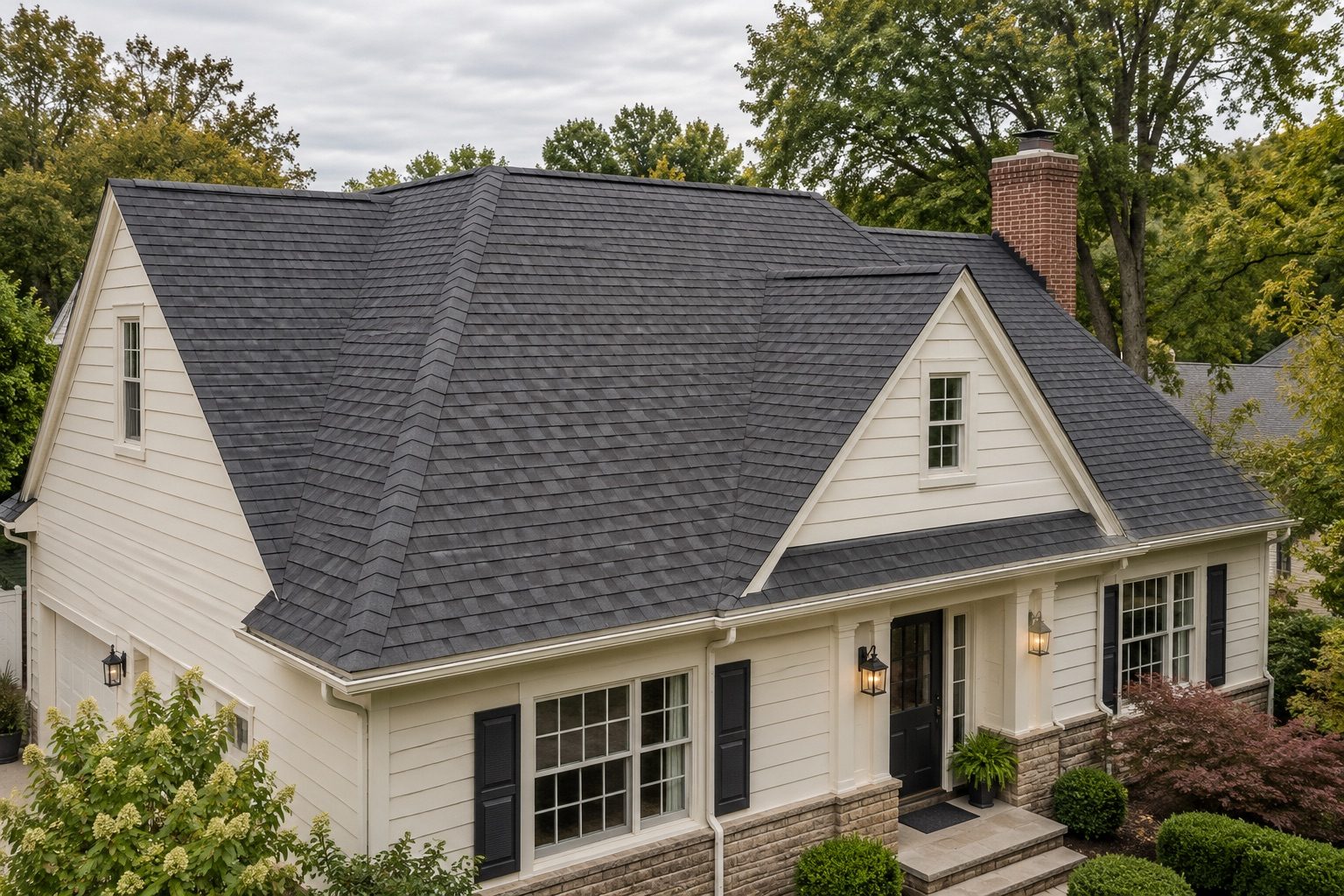 Protect what’s under it.
LOOK PAST THE FIRST QUESTION
Get the picture.
Then make
the plan.
A useful proposal connects the concern you have today with the work being suggested. Make space to understand both.
What prompted you to ask?
What do we know about the roof?
What is actually being proposed?
FROM CONCERN TO A CLEAR PLAN
Less guesswork.
More clarity.
A roofing conversation should leave you better informed about the problem, the choices, and the next step.
- 01 / THE SITUATION
Start with what
you know.Share the concern and any useful background. Make the question clear before reaching for an answer.
- 02 / THE ASSESSMENT
Look at the
whole picture.Discuss the existing roof and what needs to be checked to understand the condition and possible scope.
- 03 / THE PROPOSAL
Know what
you’re considering.Review the proposed work, ask about the details, and agree on the next step before moving ahead.
A USEFUL FIRST CONVERSATION STARTS HERE
What’s going
on up there?
Name the area, describe what changed, and say when you noticed it. Watch those details become a clear request for a conversation, without trying to diagnose the roof.
The right first step is understanding
what needs a closer look.
A roofing request someone can work with.
A repair / Garage roof
Discuss missing or damaged shingles on the garage roof, first noticed after the last rain.
Is the change limited to one patch on the garage roof, or spread across it?
A starting brief for a roof inspection. The cause still needs to be checked.
Fictional business, real input choices. Everything stays in this page; nothing is sent or saved.
USEFUL BEFORE YOU ASK
A few questions
worth answering.
Do I need to know whether I need a repair or replacement?
No. Share what you know and what you are concerned about. The scope should come from a proper assessment, not a choice you have to make before the conversation.
What makes a useful first inquiry?
A short description of the concern, when you noticed it, and any background information you already have. Existing photos or previous project documents may also help explain the situation.
What should be clear before work starts?
The proposed work, what is included, the selected materials, and how the next steps will be coordinated. Ask for clarification on anything that is unclear in a proposal.
RIDGELINE ROOFING
Your home. Your roofing project.Considering Roofing Work?
Read About Our Services!
Residential Roofing Services
Welcome to the Ridgeline Roofing website. The roof is an important part of a residential property. When considering roofing work there are a number of different factors that a homeowner may wish to take into consideration, including the condition of the current roofing material and the kind of project that is being considered.
Ridgeline Roofing offers information about residential roofing projects, including roof repairs and roof replacement. Please take some time to look around our website and read about the roofing options described here.
Roof Repair and Replacement
Roofing projects vary from property to property. If you have been thinking about a roofing project and would like more information, please refer to our services information. There are many materials and project considerations to discuss when planning this kind of work.
Roofing Services | Shingle Roofing | Repairs | Roof Replacement
For more information regarding your roofing project, please make an inquiry.
Find a more direct way to explain what is going on.